Article
Jan 11, 2026
Learn About Vitamin D3: How It Supports Everyday Health
Vitamin D deficiency (hypovitaminosis D) is a widespread global health concern affecting millions of people. Health authorities, including the National Institutes of Health, suggest that many adults may require 1,500–2,000 IU of vitamin D daily to maintain optimal levels. Low vitamin D can contribute to poor bone health, muscle weakness, and increased risks of cardiovascular disease, hypertension, diabetes, and certain cancers. Although sunlight is the primary source, factors such as geography, air pollution, age, skin pigmentation, and limited sun exposure can reduce the body’s ability to produce it. According to the World Health Organization and the Food and Agriculture Organization, when sun exposure is inadequate, vitamin D must be obtained through diet—yet typical diets often fail to provide sufficient amounts, particularly during winter months.
Introduction
Vitamin D deficiency, also known as hypovitaminosis D, is a major public health problem worldwide. The National Institutes of Health (NIH) reports that many adults may need 1500–2000 IU/day of supplemental vitamin D to maintain optimal blood levels, especially in regions with limited sun exposure.
Health Risks of Low Vitamin D
When vitamin D levels are too low, the body cannot function properly. Common consequences include:
Poor bone health and higher risk of osteoporosis and fractures
Muscle pain, weakness, and increased risk of falls
Elevated risk of cardiovascular disease (CVD)
Higher chances of developing hypertension and type 2 diabetes
Association with certain types of cancer
These effects highlight why monitoring and addressing vitamin D status is important, particularly in vulnerable groups such as older adults, pregnant women, and people with darker skin tones.
Why Sunlight Alone Isn’t Enough
Sunlight is the main natural source of vitamin D: the skin synthesises it when exposed to ultraviolet B (UVB) rays. However, many factors reduce this production:
Higher geographical latitude with less intense sunlight
Air pollution that blocks UVB rays
Age and sex (older adults and women often have lower synthesis capacity)
Darker skin pigmentation, which reduces UVB absorption
Public health advice encouraging sun protection and limiting sun exposure due to skin cancer riskThe Future of AI in Business
The Role of Diet and Supplements
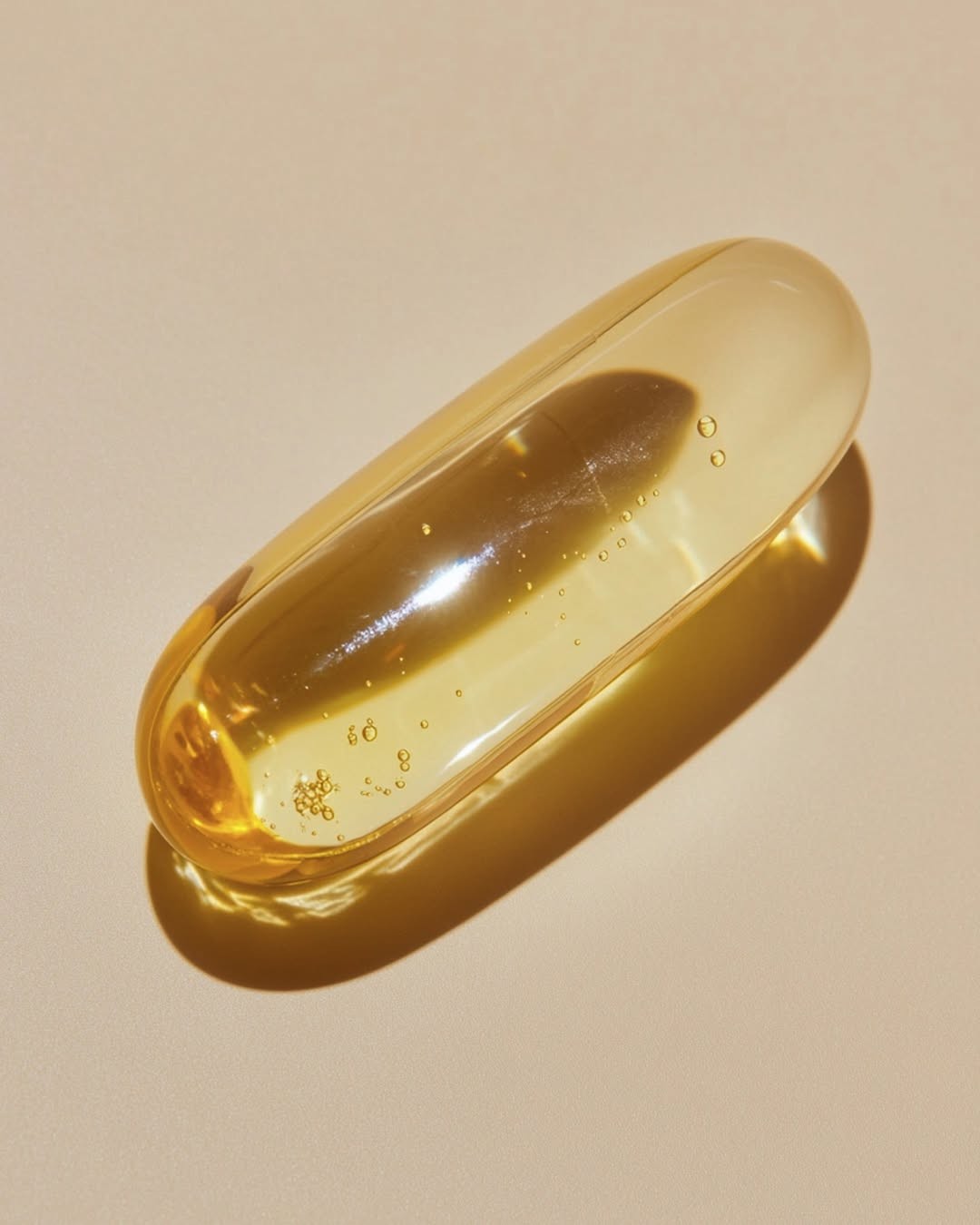
According to the World Health Organization (WHO) and the Food and Agriculture Organization (FAO), when sunlight exposure is insufficient, people must rely on dietary sources and supplements to maintain adequate vitamin D levels. Unfortunately, the typical diet provides only small amounts of vitamin D, especially in winter, making supplementation a practical and often necessary strategy for many individuals.